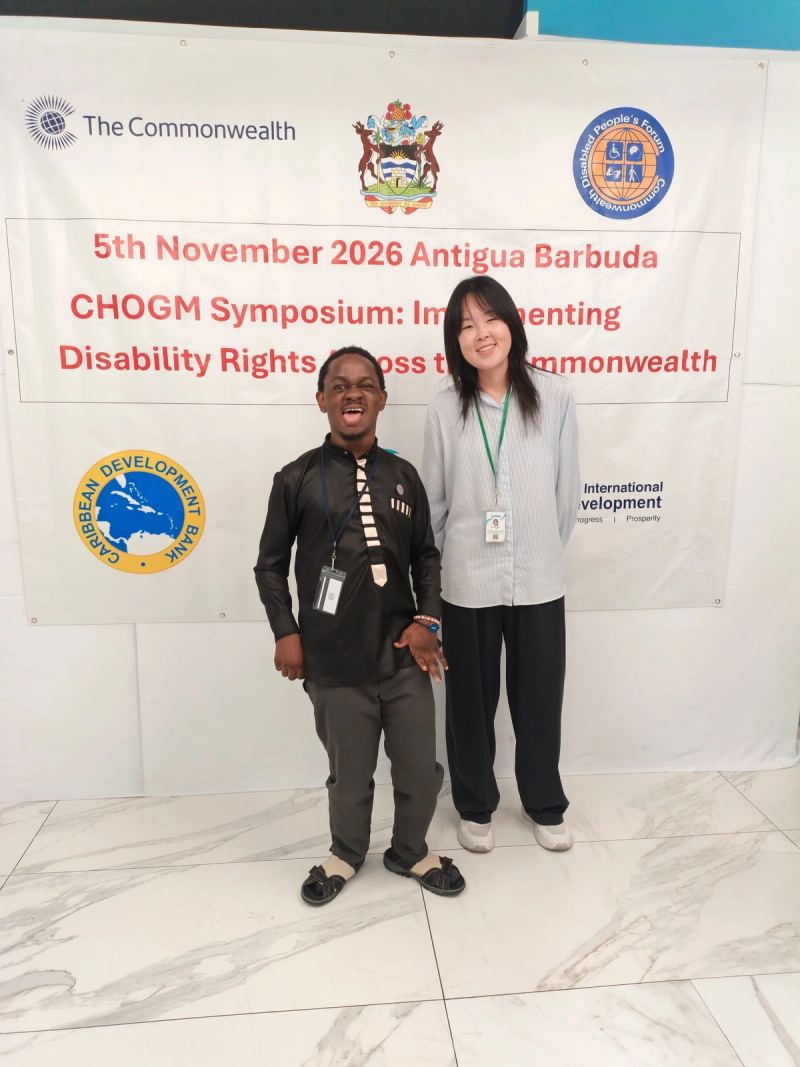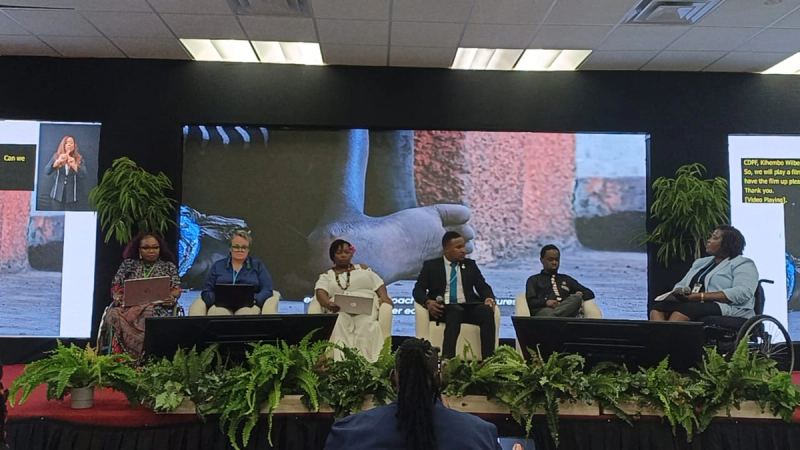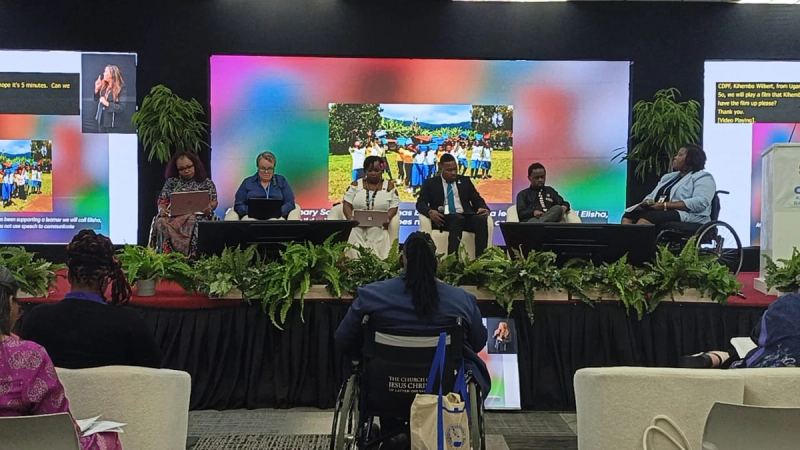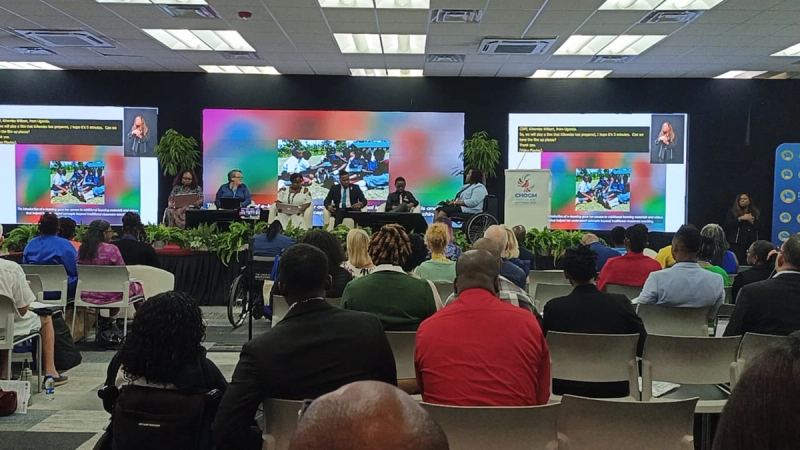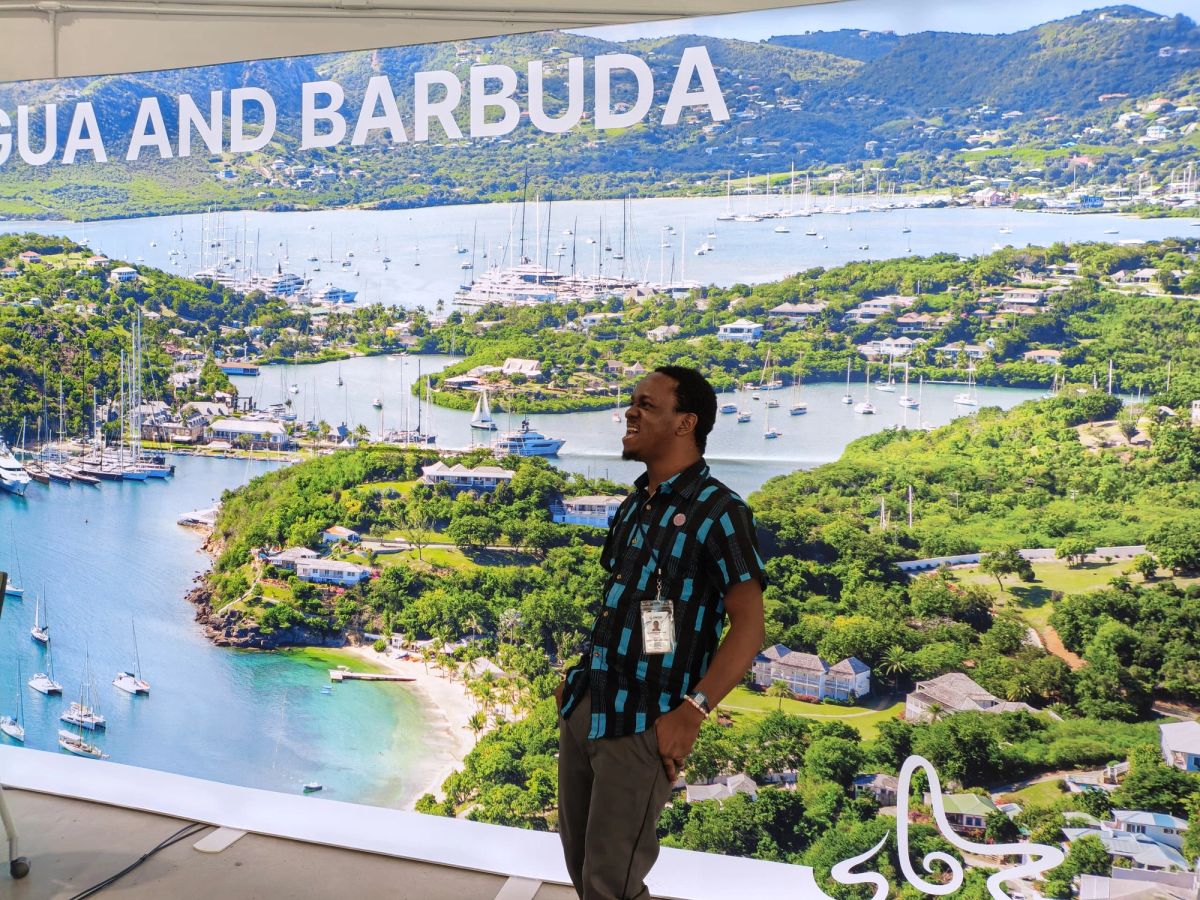
From the beautiful hills of Kasese, Uganda, through Addis Ababa and London, I finally arrived in Antigua and Barbuda, welcomed by the sounds of reggae instrumentals at V.C. Bird International Airport. I had travelled thousands of kilometres with one purpose: to raise the voices of young people with disabilities at the highest levels of Commonwealth youth engagement.
This was my second time attending a Commonwealth Heads of Government Meeting (CHOGM). Having participated in the 2024 Commonwealth Youth Forum in Samoa, I returned to Antigua and Barbuda with renewed hope that the 14th Commonwealth Youth Forum would offer greater visibility and meaningful participation for young people with disabilities.
Unfortunately, my colleague Goreet, who was also expected to represent the Commonwealth Disabled Peoples Forum (CDPF), could not travel after being denied a UK transit visa. I therefore carried the responsibility of representing our youth constituency, knowing that many voices were depending on this opportunity.
Three days at the Commonwealth Youth Forum: The experience behind the conversations
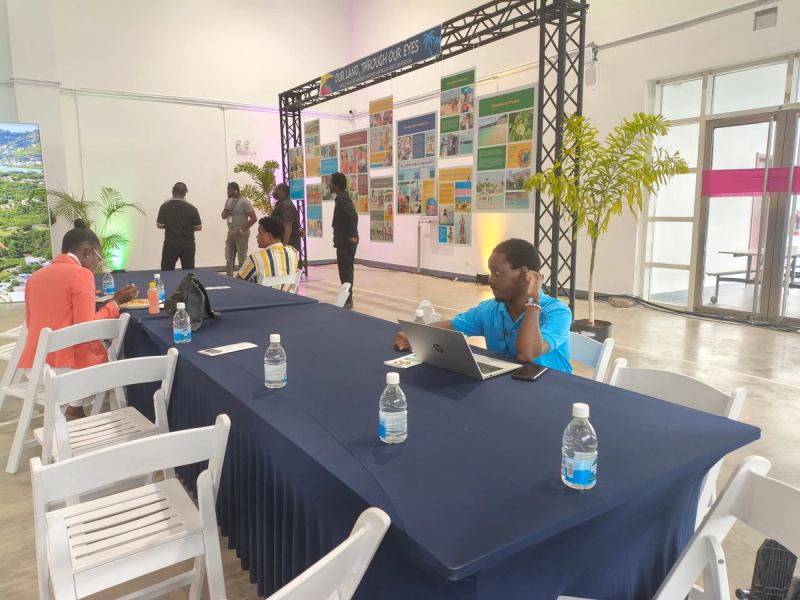
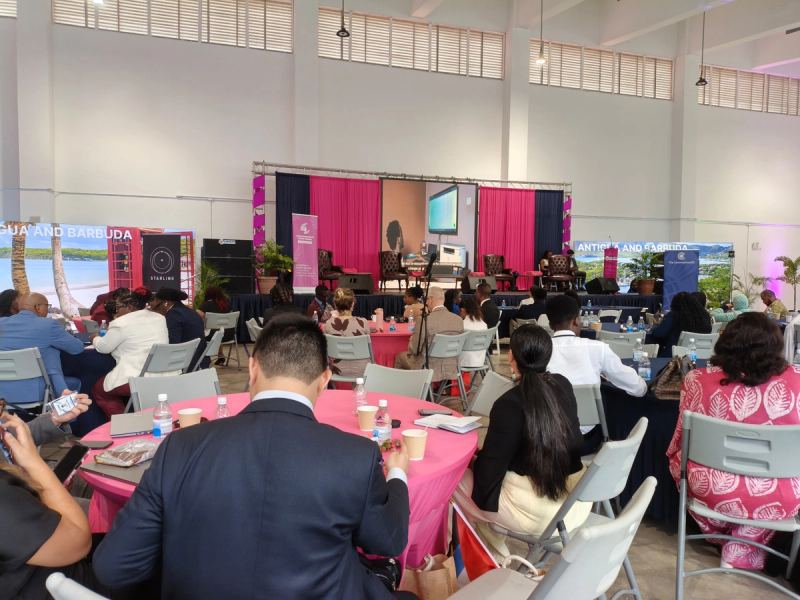
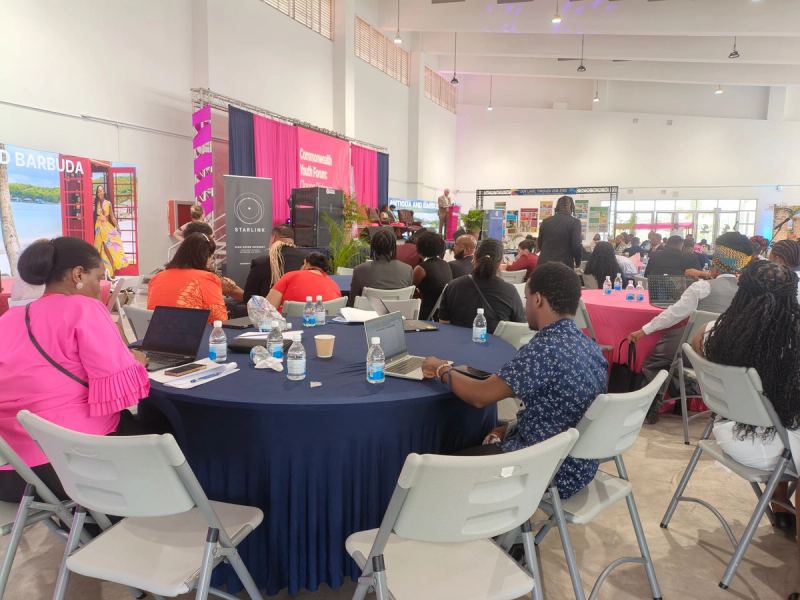
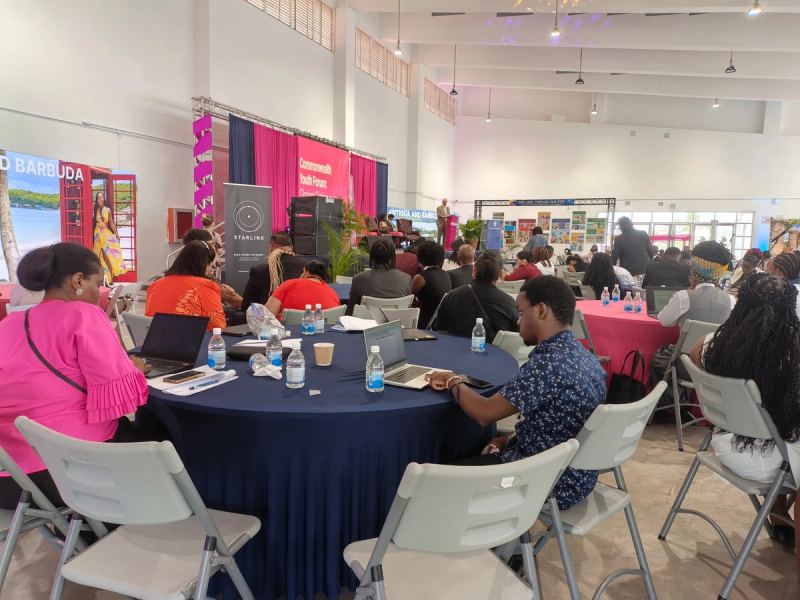
Held from 2 to 4 November 2026 at the University of the West Indies, Five Islands Campus, the 14th Commonwealth Youth Forum brought together more than 300 young leaders from across the Commonwealth's five regions.
Under the theme Investing in Youth Agency: Co-Creating Pathways Towards Shared Prosperity, the Forum sought to position young people as equal partners in shaping the Commonwealth's future.
Day 1: Finding my voice in a room full of voices
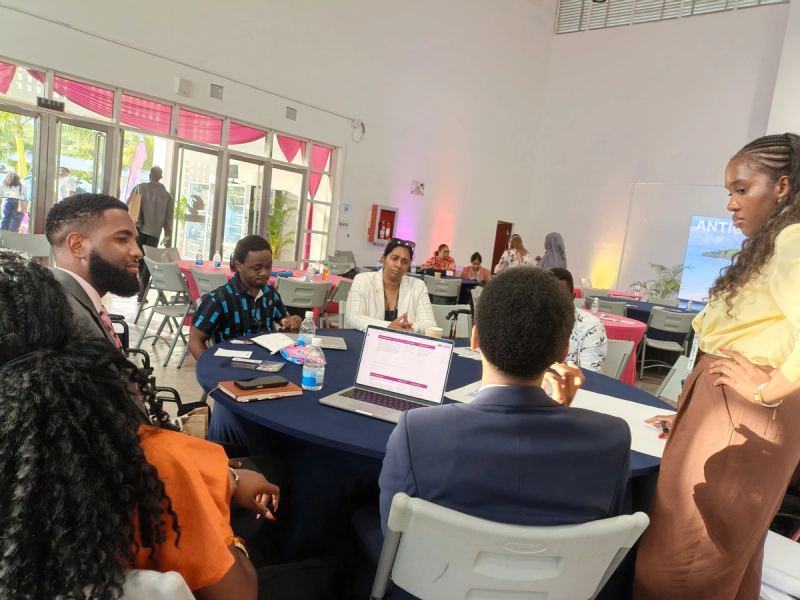
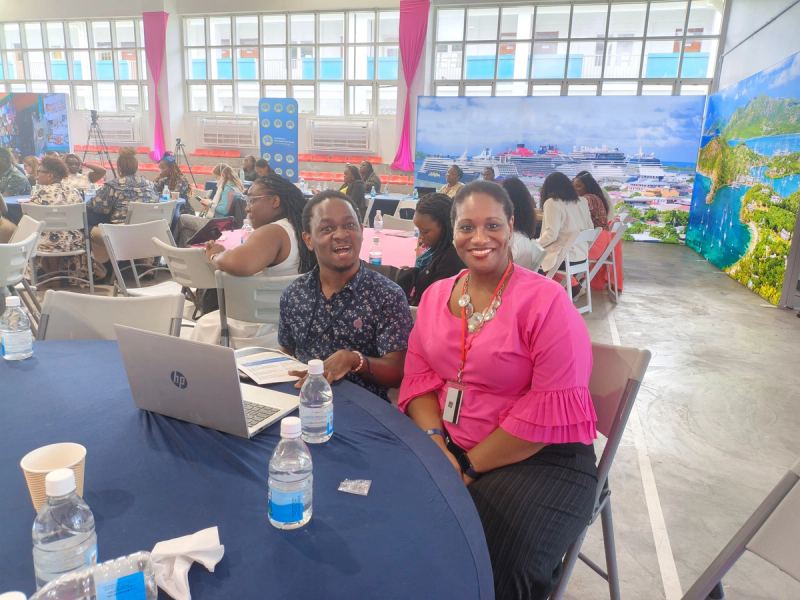
Walking into the Forum on the first day, I found myself in a room full of like-minded young people, representing different countries, experiences and backgrounds.
Yet, despite being surrounded by hundreds of young leaders, I experienced a feeling of isolation. I struggled to find someone I could easily relate to, particularly in a space where disability representation was limited.
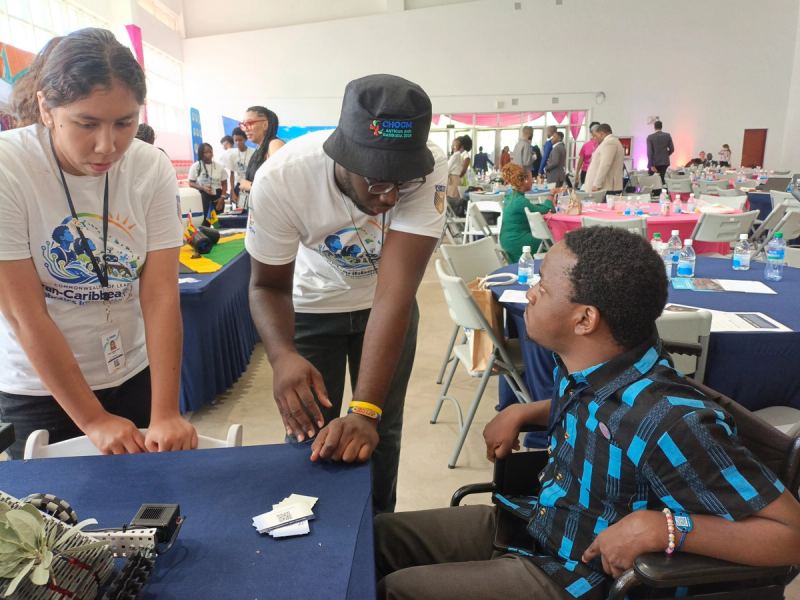
As a young person with cerebral palsy who uses non-verbal communication, participating in fast-paced conversations is not always easy. I communicate through text, and typing takes me longer than it might take someone else to respond verbally.
While other delegates could quickly raise their hands, contribute to discussions and exchange ideas, I often had to work harder to find an opportunity to intervene.
This is a reality many young people with disabilities experience. We constantly find ourselves having to demonstrate our abilities, challenge assumptions and change attitudes before our contributions can be taken seriously.
Sometimes, the barrier is not a lack of knowledge or ideas. It is a space that does not provide equal opportunities for everyone to participate.
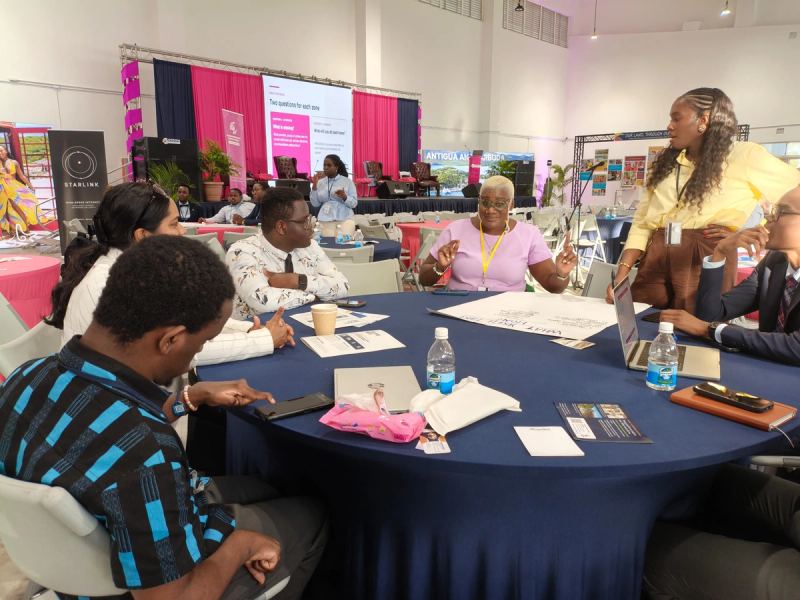
I attended the storytelling lab organised by the English-Speaking Union, titled How to Speak to Influence: Advocacy, Persuasion and Power. The session reminded me of the power of storytelling in influencing people, changing attitudes and driving advocacy.
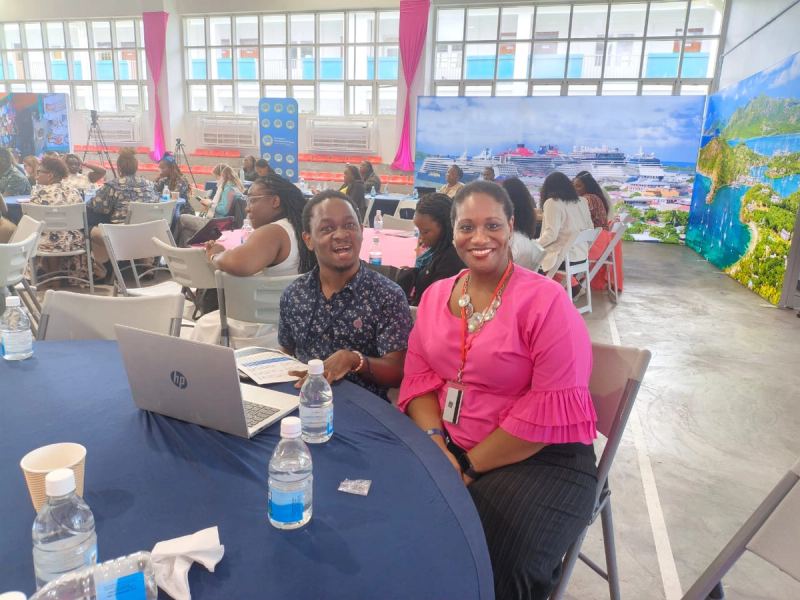
It was also an opportunity to connect with other young leaders and make new friends. Beyond learning about advocacy, I found myself building relationships and gradually breaking some of the social barriers that had made participation difficult.
One important lesson I carried from that session was that our stories are powerful tools for change.
Day 2: Technology, innovation and the missing voices in policy
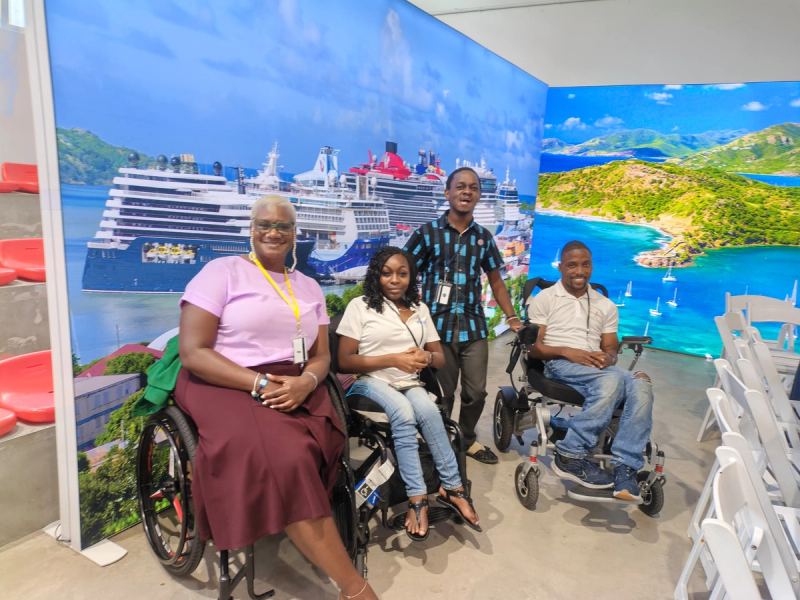
The second day brought together some of the young people with disabilities who had travelled from across the Caribbean with support from the Caribbean Development Bank. Seeing them participate was encouraging, although other delegates were also engaged in parallel forums.
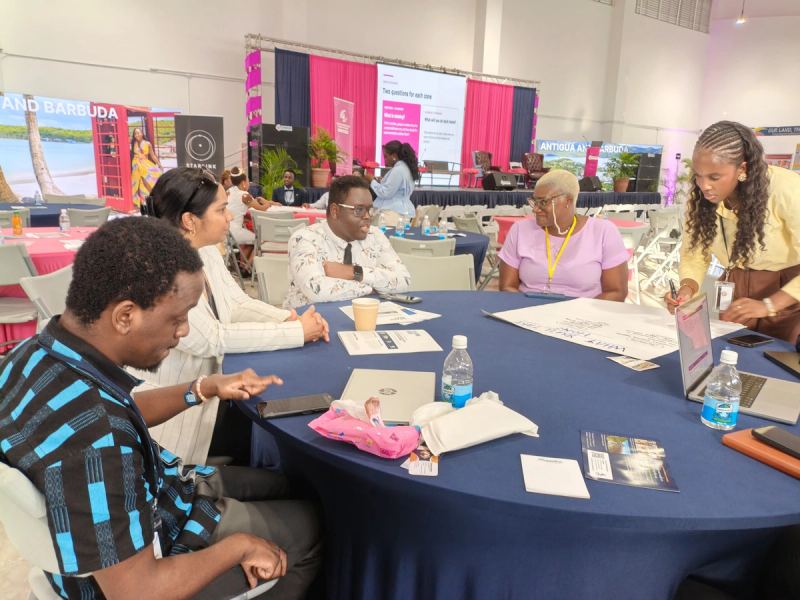
The day's theme was Solutions, Skills and Opportunity, with several innovation and skills laboratories focusing on technology, partnerships, leadership, entrepreneurship and the creative economy.
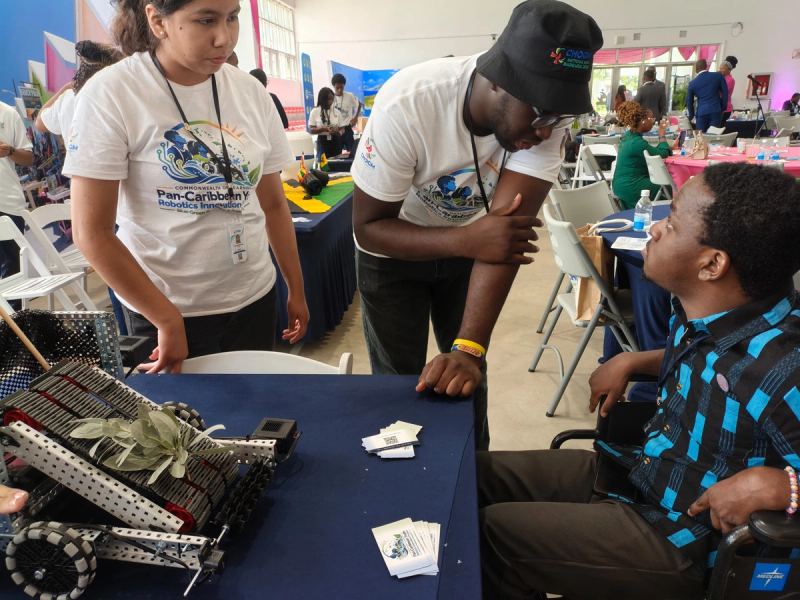
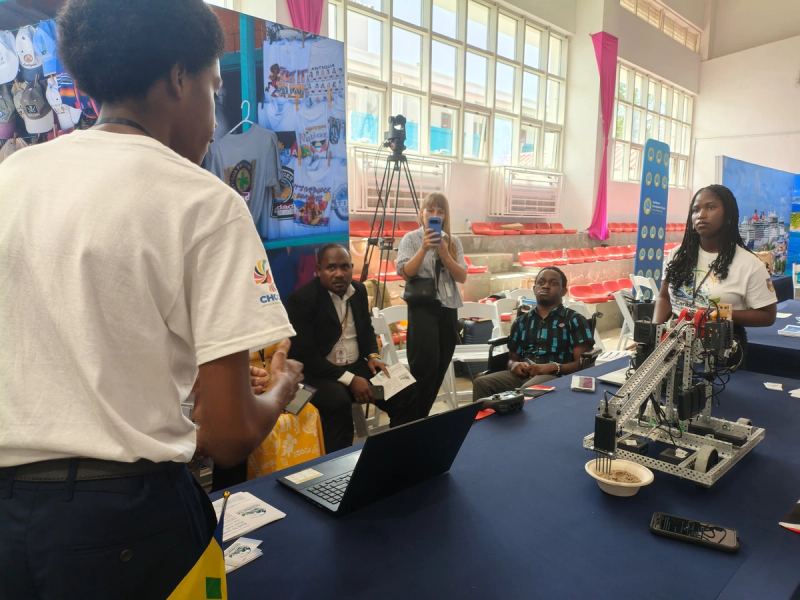
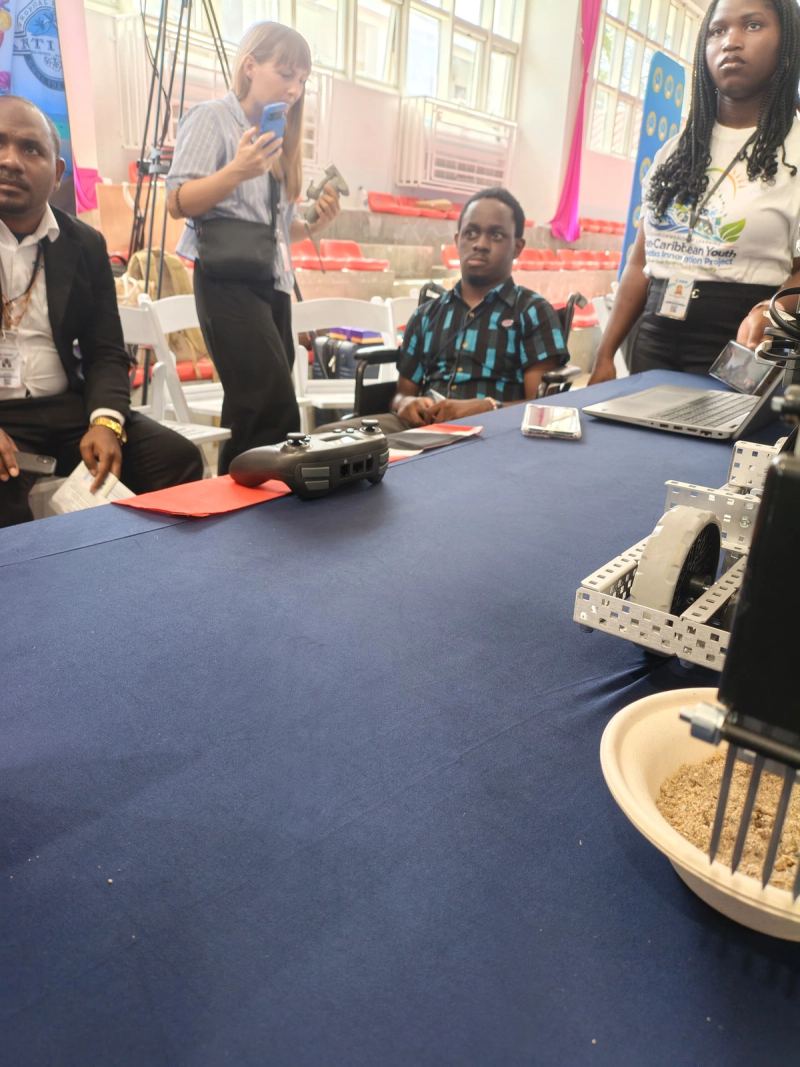
I found myself torn between the technology and advocacy sessions. Eventually, I joined the Youth Innovation, Real Solutions: Robotics and AI for a Blue-Green Future session organised by the Commonwealth of Learning.
It was my first opportunity to explore blue-green innovation in such a practical setting. The experience opened my eyes to how technology, robotics and artificial intelligence can contribute to sustainable development and the future of our economies.
However, innovation must also be accessible. We cannot talk about future technologies without considering whether young people with disabilities can access, use and benefit from them.
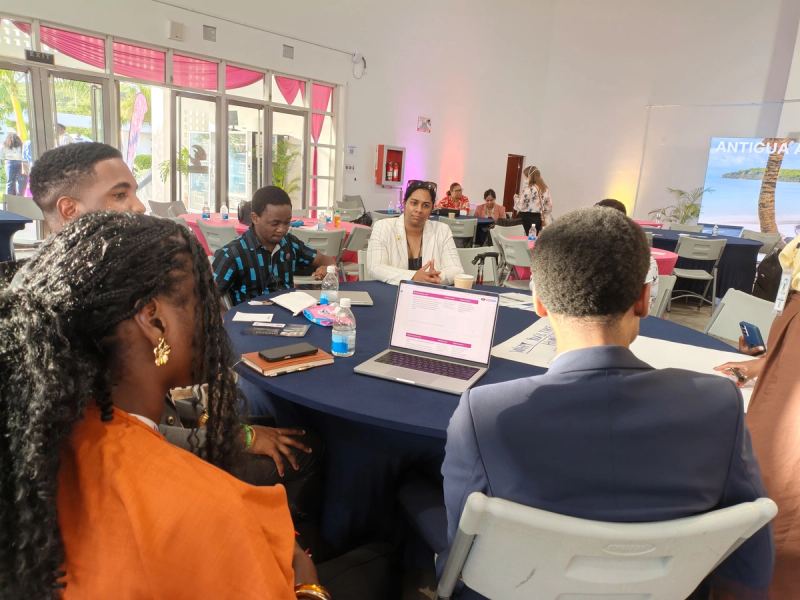
Later, during the recommendations check-in, delegates reviewed the draft Commonwealth Youth Policy Recommendations for Heads of Government, developed through consultations across the 56 Commonwealth member countries.
I was particularly pleased that the Commonwealth Disabled Youth Forum (CDYF) had participated in the pre-Forum consultation process.
However, reviewing the draft raised important questions about the depth of disability representation and the evidence informing the recommendations.
While the document recognises disability access and reasonable accommodation as cross-cutting standards and includes a dedicated disability inclusion action under Pillar Four, I felt that several important priorities needed stronger attention.
For example, education systems must become genuinely adaptable to every learner. Governments should invest in modular, competency-based learning pathways that allow learners to progress at their own pace and demonstrate their abilities through different assessment methods.
We also need stronger representation of persons with different disabilities in government taskforces, policy committees and decision-making structures. It is not enough to consult disability organisations occasionally. People with disabilities must have defined roles in shaping, implementing and monitoring policies.
Another critical concern is digital accessibility.
As education, healthcare, banking, public information and social interactions increasingly move online, inaccessible websites and applications can exclude people with disabilities from everyday life.
Accessibility must go beyond adding alternative text to images or subtitles to videos. These are important, but inclusive digital design also requires clear navigation, keyboard accessibility, readable fonts, appropriate colour contrast, accessible forms, transcripts and compatibility with assistive technologies.
Accessibility should not be an afterthought. It must be built into the design from the beginning.
These are the kinds of practical recommendations that should move from consultation documents into government commitments and action.
Day 3: When our voices finally reached the big screen
The third and final day of the Youth Forum focused on action, accountability and Commonwealth commitments.
Delegates witnessed presentations from the Innovation Challenge participants, followed by the presentation of the final recommendations and responses from governments and partners.
One moment that particularly stood out for me came after a beautiful musical performance by Annia Matthews.
My prerecorded advocacy film made it onto the big screen.
This was not simply another video presentation. It represented a long effort to ensure that the experiences and perspectives of young people with disabilities were heard.
I must acknowledge my colleague and personal assistant, Harbert, whose persistence and lobbying helped create an opportunity for our voices to be included in the programme.
Seeing my contribution reach the wider audience was emotional. It reminded me that even when physical participation and communication present challenges, there are different ways to ensure that our voices are heard.
However, I left the Youth Forum with mixed feelings.
The Forum brought together hundreds of talented young people, but disability inclusion was not sufficiently reflected in its planning and delivery. Representation on panels was limited, and accessible communication arrangements, including sign language interpretation and captioning, were inadequate.
The experience reinforced a difficult truth: we cannot keep celebrating youth participation while overlooking the accessibility requirements of young people with disabilities.
We must show up in these spaces, but organisers must also take responsibility for creating environments where everyone can participate on equal terms.
A night to remember: Experiencing the Caribbean
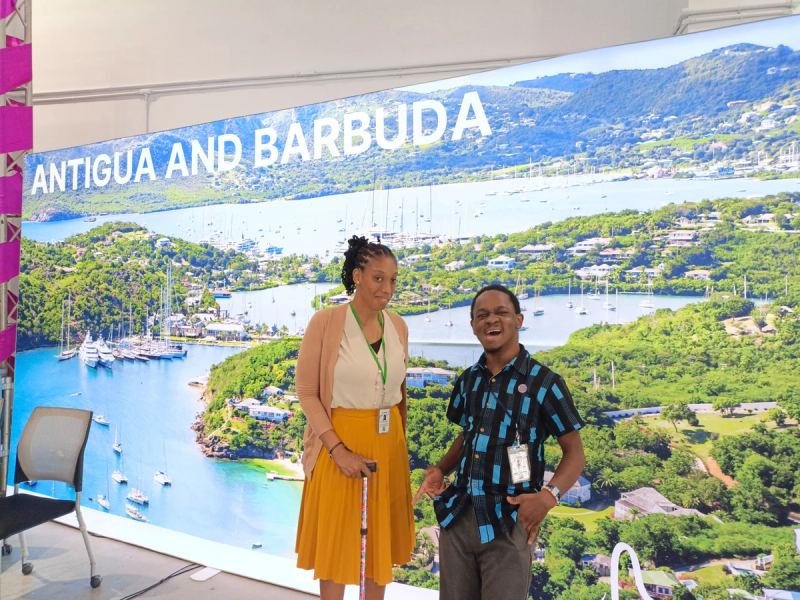
Beyond the formal sessions and advocacy conversations, Antigua and Barbuda also gave me an opportunity to experience some of its vibrant culture.
Joining my colleagues from CDPF for the CHOGM celebrations was another highlight.
For the first time, I experienced live reggae and dancehall performances alongside spectacular fireworks.
The performances by artists including Asher Otto and Annia Matthews brought an incredible atmosphere. The music, the energy and the celebration made my heart beat with excitement.
For a moment, I did not want the experience to end.
It was a beautiful reminder that inclusion is also about enjoying culture, entertainment, friendship and all the experiences that make us part of society.
5 November: A historic moment for disability rights across the Commonwealth
If the Youth Forum was about raising the voices of young people, 5 November was about bringing disability rights to the centre of Commonwealth discussions.
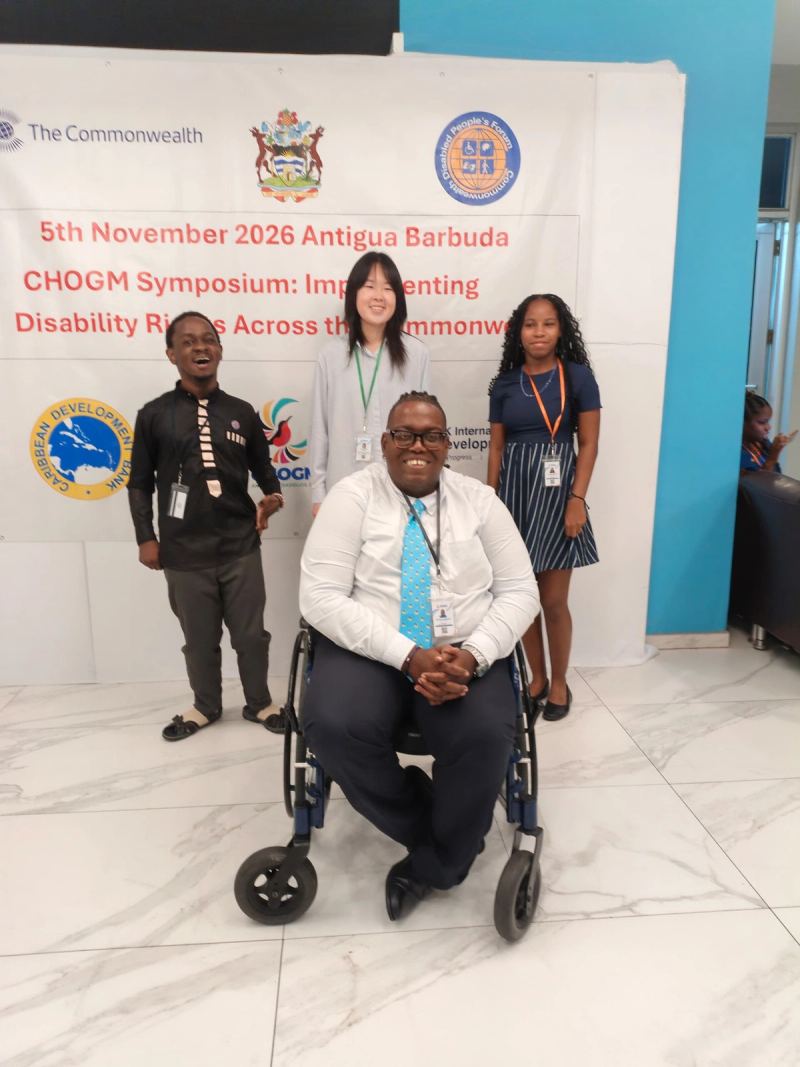
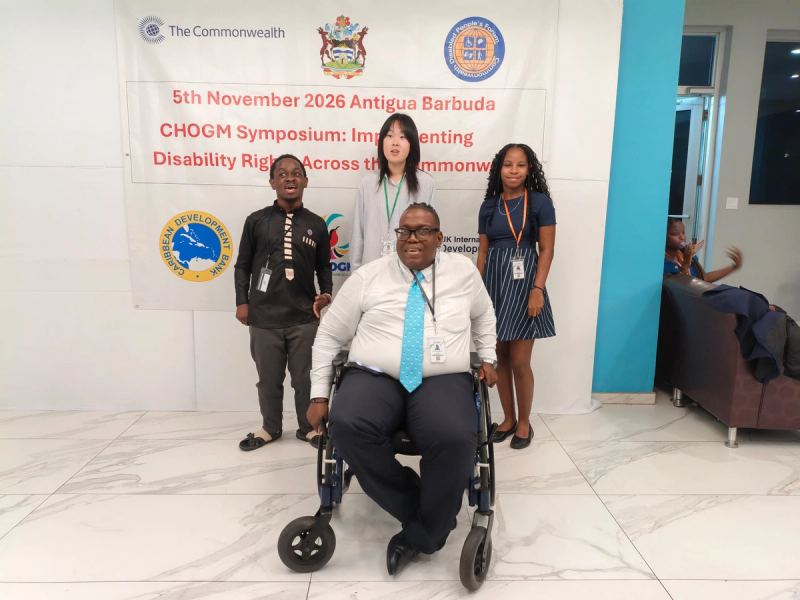
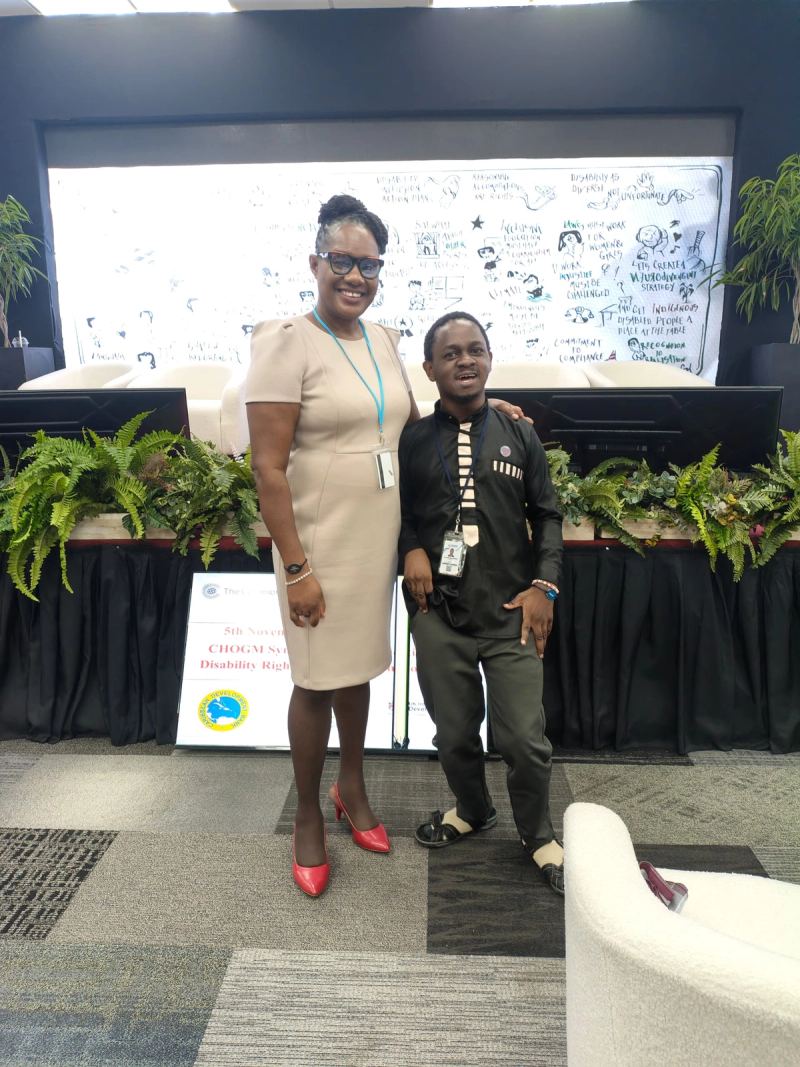
I attended the symposium titled Implementing Disability Rights Across the Commonwealth, which brought together government representatives, disability rights organisations, development partners and advocates.
The symposium explored disability rights legislation, reasonable accommodation, inclusive education, climate emergencies, employment, women and girls with disabilities, neurodiversity and the implementation of disability rights commitments.
A particularly important development was the adoption of the Disability Inclusion Action Plan by Commonwealth leaders at CHOGM 2026.
This represents an important milestone in the long-standing advocacy of the Commonwealth Disabled Peoples Forum.
The journey towards this achievement has not been easy. CDPF's advocacy intensified following the experiences of disability delegates at CHOGM 2022 in Kigali, where significant accessibility barriers exposed the gap between Commonwealth commitments and the actual participation of persons with disabilities.
The progress made in Antigua and Barbuda reflects the importance of sustained advocacy and partnerships between governments, organisations representing persons with disabilities and the Commonwealth Secretariat.
However, adoption is only the beginning. The real test will be implementation, investment, monitoring and accountability.
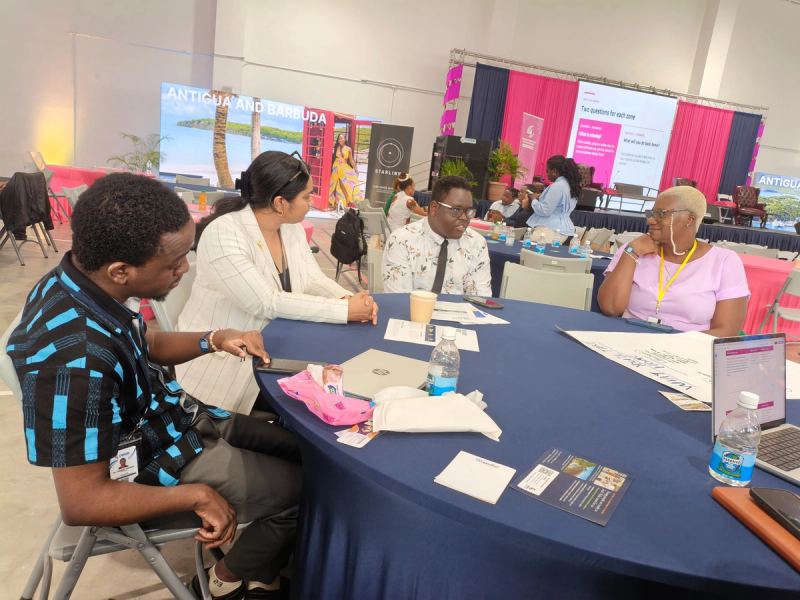
My highlight of the symposium was meeting other young people with disabilities and listening to their experiences.
Their stories reminded me that, despite differences in our countries, cultures and types of disabilities, many of our challenges are shared.
We face barriers in education, employment, healthcare, leadership, accessibility and social participation. Yet we also share the determination to change these realities.
The Young Disabled Leaders' Workshop provided an opportunity to identify pressing priorities affecting young disabled people in the Caribbean, discuss emerging issues from the Youth Forum and develop a collective set of youth priorities.
It was particularly encouraging to see young disabled leaders being given space to shape the disability inclusion agenda rather than simply being invited to listen.
Beyond CHOGM: Building a stronger Commonwealth disabled youth movement
My journey from Kasese to Antigua and Barbuda has taught me that visibility matters, but visibility alone is not enough.
We need influence.
We need young people with disabilities represented in government taskforces, youth councils, development programmes, innovation spaces and international decision-making platforms.
We need accessible events, inclusive education systems, decent employment opportunities and digital technologies that work for everyone.
Most importantly, we need stronger connections among young disabled leaders across the Commonwealth.
This is why the work of the Commonwealth Disabled Youth Forum (CDYF) is so important. Through CDPF, we are building a movement that connects young people with disabilities across Commonwealth countries, strengthens their leadership and creates opportunities for collective advocacy.
I return from Antigua with new friendships, valuable lessons, renewed confidence and a stronger determination to continue this work.
I also return with a reminder that we should never have to prove our worth before being given an opportunity to participate.
We belong in these rooms. We belong on the panels. We belong in the taskforces. We belong wherever decisions about our lives and futures are being made.
The journey towards an inclusive Commonwealth is far from over, but we must keep pushing, keep organising and keep showing up.
And as they say in the Caribbean, "Wi nah stop, wi nah give up. One love, one people, and no youth left behind. Big up all the disabled youth dem!"